
Bad Breath Causes Even After Brushing: Why Your Morning Routine Might Not Be Enough

You brush twice a day. You rinse with mouthwash. You even floss. And yet that nagging bad breath is still there. If this sounds familiar, you are not alone. Millions of people experience persistent bad breath, medically known as halitosis, despite following a decent oral hygiene routine. The truth is, bad breath causes go far deeper than just forgetting to brush your teeth. Understanding where it actually comes from is the first step to finally getting rid of it.
Let's walk through the real reasons why bad breath persists even after brushing — and what you can actually do about it.
The Real Bad Breath Causes You Need to Know

3. Gum Disease — A Common and Serious Culprit
Gingivitis and periodontitis (gum disease) are among the most persistent bad breath causes, and brushing alone will not fix them. When bacteria build up along the gum line and in the pockets between your teeth and gums, they produce powerful foul-smelling compounds. The inflammation and infection in diseased gum tissue add to the odour.
Warning signs of gum disease include red, swollen or bleeding gums, receding gumlines, and sensitivity. If you notice any of these, a professional dental cleaning and evaluation is not optional — it is essential. Gum disease is progressive, and the sooner it is treated, the better.
Struggling with persistent bad breath despite brushing? Our expert team at Aakaar Dentistry can identify the exact cause and create a treatment plan tailored to your needs.

4. Food Choices That Linger Long After the Meal
Garlic and onions are famous for causing bad breath, but what most people do not realise is that their odour-causing compounds are absorbed into the bloodstream and exhaled through the lungs — not just left in the mouth. That is why brushing immediately after eating garlic does not fully eliminate the smell. It needs to work its way out of your system.
A high-protein, low-carbohydrate diet can also cause a distinct type of bad breath known as ketone breath. When your body burns fat for fuel, it produces ketones, which are released through your breath and can smell fruity or chemical-like. This is one of the more surprising bad breath causes that diet-conscious individuals encounter.
5. Post-Nasal Drip and Sinus Issues
Your mouth and nose are connected, and problems in one often affect the other. When you have a sinus infection, chronic sinusitis, or ongoing post-nasal drip, mucus flows down the back of the throat. This mucus is a rich food source for oral bacteria, which break it down and produce foul-smelling gases in the process.
Seasonal allergies and respiratory infections are also among the less obvious bad breath causes. If you notice your breath gets worse during allergy season or when you have a cold, this is likely the reason. Treating the underlying sinus issue with a doctor's help often resolves the associated bad breath.
6. Cavities and Hidden Dental Decay
A cavity is essentially a hole in your tooth where bacteria have eaten through the enamel and dentine. Food gets trapped in these spaces and decays, creating a constant source of odour. You can brush all you want, but you cannot clean inside a cavity — the bacteria and decaying food particles remain there between brush strokes.
Similarly, a cracked tooth, a broken or poorly fitting crown, or impacted wisdom teeth can create pockets where bacteria accumulate. These are structural bad breath causes that require dental treatment, not just better brushing.
7. Tonsil Stones — A Little-Known Offender
If you have ever noticed small, yellowish lumps at the back of your throat, you may have tonsil stones (tonsilloliths). They form when food particles, dead cells, and bacteria accumulate in the crevices of the tonsils and harden over time. Even tiny tonsil stones can produce a powerful, unpleasant odour.
Tonsil stones are one of those bad breath causes that brushing and mouthwash simply cannot address. Gargling with salt water can help dislodge small ones, but larger or recurrent tonsil stones may need professional attention.
8. Underlying Health Conditions
Sometimes, persistent bad breath is your body signalling something going on internally. Several medical conditions are recognised bad breath causes that have nothing to do with your oral hygiene. Gastroesophageal reflux disease (GERD) can push stomach acids and partially digested food up into the oesophagus, creating a sour odour in the mouth. Diabetes, particularly when poorly controlled, can cause fruity or acetone-like breath. Kidney disease may produce a fishy or ammonia-like smell. Liver problems can cause a musty or sulphur-like odour.
If you have ruled out all dental and lifestyle-related bad breath causes and the problem persists, it is worth discussing with your general physician. A blood test or specialist consultation may reveal an underlying condition that is driving the problem.
Bad breath affecting your confidence? Whether the cause is gum disease, cavities, or dry mouth, our specialists at Aakaar Dentistry will find the root cause and treat it effectively.

Practical Steps That Actually Work
Once you have identified your bad breath causes, here is what makes a real difference:
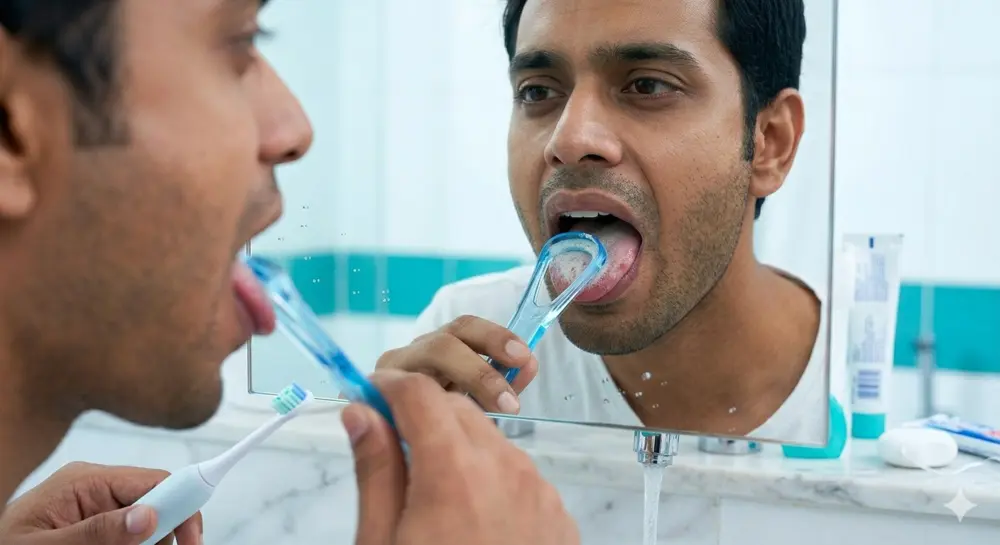
- Scrape your tongue every morning before brushing — this removes the bacterial layer that accumulates overnight and is one of the most impactful steps you can take.
- Drink plenty of water throughout the day to keep saliva production active and wash away odour-causing bacteria continuously.
- Floss daily to remove food and plaque from between teeth where your toothbrush simply cannot reach.
- Schedule a professional dental cleaning at least every six months — this removes tartar buildup that no amount of home brushing can address.
- Avoid smoking and tobacco use, which are among the most potent bad breath causes and also significantly increase gum disease risk.
- Chew sugar-free gum containing xylitol after meals to stimulate saliva and reduce bacterial growth between meals.
- Replace your toothbrush every three months, as worn bristles are less effective at cleaning and may harbour bacteria themselves.
Bad breath is not something you simply have to live with. In most cases, identifying the specific bad breath causes at work in your situation and addressing them — whether through better habits, dietary adjustments, or professional dental treatment — leads to a genuine and lasting solution.
Get Expert Help at Aakaar Dentistry
If persistent bad breath is affecting your confidence and quality of life, the team at Aakaar Dentistry, best dentist in Bandra, are here to help. Aakaar Dentistry is a leading super-specialty dental clinic in Bandra West, Mumbai, led by Dr. Ankita Gehi — a highly skilled prosthodontist and implantologist with over 12 years of experience — and Dr. Dhananjay Hemmady, who brings more than two decades of expertise in implantology, cosmetic restorations, and advanced dental care.
At Aakaar Dentistry, every patient receives personalised attention backed by state-of-the-art technology, including digital imaging, LASER dentistry, and CAD/CAM crown fabrication. Whether the root of your bad breath is gum disease, dental decay, or a need for professional cleaning, the clinic's expert team will diagnose the exact cause and create a targeted treatment plan tailored to your needs.
As Dr. Ankita Gehi puts it: "Oral health is a reflection of aesthetics and self-care. Routine dental care not only protects against severe conditions but also enhances your confidence." At Aakaar, comfortable, stress-free dental experiences and long-lasting results are not just goals — they are a standard.
Book your consultation at Aakaar Dentistry today and take the first confident step towards fresher breath and a healthier smile.
Still have questions about bad breath? Here are some of the most common ones we hear from patients.
FAQs
Water is your best option. Staying hydrated keeps your mouth from drying out, which is a major cause of bad breath. Green tea can also help because it contains natural compounds that fight odour-causing bacteria. Even warm water with a little lemon can feel refreshing and help reduce that unpleasant taste throughout the day.
The basics work best: brush twice a day, clean your tongue, and floss daily. Many people skip tongue cleaning, but that is where most odour-causing bacteria sit. Drinking enough water and avoiding strong-smelling foods helps too. If bad breath persists despite good hygiene, it is worth visiting a dentist to rule out issues like gum infection, cavities, or other underlying causes.
Vitamin deficiencies can sometimes play a role. Low levels of Vitamin B or Vitamin C may contribute to gum problems, which can lead to bad breath. That said, bad breath is more often linked to oral hygiene or dental issues rather than vitamins alone, so supplements on their own are usually not enough to fix the problem.
It depends on the cause. If it is due to poor oral hygiene, a proper cleaning routine and professional dental cleaning can make a significant difference. If the cause is gum disease, cavities, or infection, treating that underlying issue is key. There is no one-size-fits-all solution, but once the root cause is identified and addressed, the breath improves naturally.
You can improve it quickly with a few steps: brush properly twice a day, clean your tongue, floss, and drink plenty of water. Using an alcohol-free mouthwash can also help. Avoid foods like garlic or onions for a couple of days. While this can freshen things up fast, if the problem keeps coming back, it is best to have it checked by a dentist.
References:
Disclaimer: The information shared in this content is for educational purposes only and not for promotional use.