
Bleeding Gums: Causes, Treatment & When to See a Dentist

Have you ever noticed a little pink in the sink while brushing your teeth? It might seem harmless at first, but bleeding gums are often your body's way of signaling that something isn't quite right. Many people ignore this early warning sign, assuming it's due to brushing too hard or using the wrong toothbrush. However, bleeding gums can be an indicator of underlying oral health issues that shouldn't be overlooked.
The good news? With the right care and timely action, most gum problems are completely manageable and even reversible in the early stages. Let's break down everything you need to know about bleeding gums, from causes to treatments and when it's time to visit a dentist in Bandra.
What Are Bleeding Gums?
Bleeding gums occur when the soft tissue around your teeth becomes irritated, inflamed, or infected, leading to bleeding especially during brushing or flossing. Healthy gums should be firm, pink, and should not bleed easily.
Occasional bleeding might happen if you've recently started flossing or switched to a firmer toothbrush. However, frequent or persistent bleeding gums are not normal and often point to gum disease or poor oral hygiene.
Common Causes of Bleeding Gums
Understanding the root cause is the first step toward effective treatment. Here are some of the most common reasons why your gums may be bleeding:
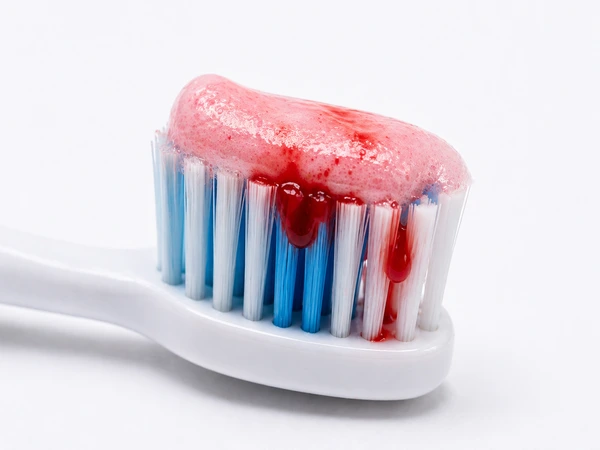
- Poor Oral Hygiene — Inadequate brushing and flossing can lead to plaque buildup — a sticky film of bacteria on your teeth. Over time, plaque irritates the gums, causing inflammation and bleeding.
- Gingivitis (Early Gum Disease) — Gingivitis is one of the most common causes of bleeding gums. It occurs when plaque accumulates along the gum line, leading to redness, swelling, and bleeding. The good news is that gingivitis is reversible with proper dental care.
- Periodontitis (Advanced Gum Disease) — If gingivitis is left untreated, it can progress into periodontitis — a more serious condition that can damage the supporting structures of your teeth, potentially leading to tooth loss.
- Brushing Too Hard — Using a hard-bristled toothbrush or brushing aggressively can damage gum tissue, causing bleeding and sensitivity.
- Vitamin Deficiencies — Lack of essential nutrients, especially Vitamin C and Vitamin K, can weaken gum tissue and increase the likelihood of bleeding.
- Hormonal Changes — Hormonal fluctuations during pregnancy, menstruation, or menopause can make gums more sensitive and prone to bleeding.
- Medical Conditions — Certain conditions like diabetes or blood disorders can affect gum health and increase bleeding risk.
- Medications — Blood thinners and some other medications can make gums bleed more easily.

Symptoms to Watch Out For
Bleeding gums rarely occur alone. Keep an eye out for these additional symptoms that may indicate a deeper issue:
- Red, swollen, or tender gums
- Persistent bad breath (halitosis)
- Receding gums (teeth appearing longer)
- Loose or shifting teeth
- Pain while chewing
- Pus between teeth and gums
If you notice multiple symptoms along with bleeding, it's a strong sign that your gum health needs attention.
Noticing bleeding gums when you brush or floss? Don't ignore the warning signs. Our expert team at Aakaar Dentistry can help diagnose and treat the issue before it gets worse.
Treatment Options and Home Remedies
The right treatment depends on the underlying cause. Here are some effective ways to manage and treat bleeding gums:
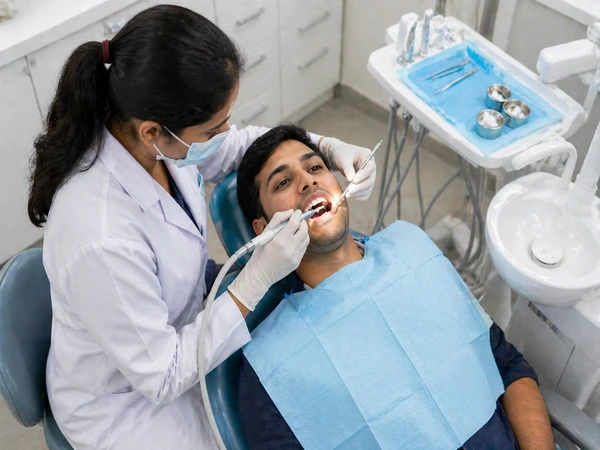
- Improve Your Oral Hygiene Routine — Brush twice daily using a soft-bristled toothbrush, floss gently once a day, and use an antibacterial mouthwash to reduce plaque. Consistency is key — good oral hygiene is the foundation of healthy gums.
- Professional Dental Cleaning — If plaque has hardened into tartar, it can only be removed by a dentist. Regular cleanings help prevent and treat gum disease effectively.
- Saltwater Rinse — A simple saltwater rinse can help reduce inflammation and kill bacteria. Mix half a teaspoon of salt in warm water and rinse 1–2 times daily.
- Use a Medicated Mouthwash — Antiseptic mouthwashes can help control bacterial growth and promote gum healing.
- Stay Hydrated — Drinking enough water helps wash away food particles and bacteria, supporting overall oral hygiene.
- Maintain a Healthy Diet — Include foods rich in vitamins and minerals, especially leafy greens, citrus fruits, and dairy products, to strengthen your gums.
- Avoid Smoking — Smoking weakens your immune system and makes it harder for gums to heal, increasing the risk of gum disease.
Preventive Tips for Healthy Gums
Prevention is always better than cure. Here's how you can keep your gums healthy and avoid bleeding:
- Brush gently with a soft-bristled toothbrush
- Replace your toothbrush every 3 months
- Floss daily to remove plaque between teeth
- Schedule regular dental check-ups (every 6 months)
- Limit sugary and processed foods
- Stay consistent with your oral care routine
- Manage stress, as it can impact your immune system and oral health
Healthy gums are a result of daily habits — not occasional effort.
Worried about your gum health? Our dental experts at Aakaar Dentistry are here to help you prevent and treat gum disease with personalised, gentle care.
When to See a Dentist
While occasional gum bleeding might not be a cause for alarm, there are certain situations where you should seek professional help immediately:
- Bleeding persists for more than a week
- Gums are swollen, painful, or receding
- You experience loose teeth
- There's persistent bad breath despite good oral hygiene
- You notice pus or signs of infection
- You have a medical condition like diabetes along with gum issues
Ignoring these signs can lead to more serious dental problems, including tooth loss. Early intervention can save both your smile and your overall health.
Experiencing persistent gum bleeding or swelling? Early treatment makes all the difference. Let our experienced professionals at Aakaar Dentistry provide the care you need.
Final Thoughts
Bleeding gums are not something to brush off — literally or figuratively. They're often an early warning sign of gum disease or poor oral hygiene. The good news is that with the right care, awareness, and timely treatment, you can restore your gum health and prevent future issues.
Taking small daily steps like brushing properly, flossing regularly, and maintaining a balanced diet can make a big difference in your oral health journey.
At Aakaar Dentistry, Dentist in Bandra, we are dedicated to helping you achieve and maintain healthy gums and a confident smile. Whether you're dealing with bleeding gums, gum disease, or simply need a routine check-up, our personalised care ensures the best outcomes for your oral health.
FAQs
In most cases, it comes down to plaque — the sticky film of bacteria that builds up along your gum line when you don't brush or floss consistently. When plaque sits there long enough, it irritates the gums and causes them to become inflamed. This is called gingivitis, and it's the single most common reason gums bleed, especially when brushing.
Vitamin C is the big one. It's essential for keeping gum tissue healthy and strong — without enough of it, your gums can become fragile, swell up, and bleed easily. Vitamin K also plays a role, as it helps your blood clot properly. If you're low on it, even minor gum irritation can lead to noticeable bleeding that takes longer to stop.
In most cases, bleeding gums respond really well to simple, consistent care at home: brush twice a day with a soft-bristled toothbrush using gentle pressure, floss daily (gums usually toughen up within a week or two), use an antiseptic mouthwash, eat more Vitamin C-rich foods, quit smoking if applicable, and get a professional cleaning if tartar has built up. Only a dentist can remove hardened tartar.
Stage 1 gum disease is called gingivitis, and it often doesn't hurt at all. Look out for gums that appear red or dark pink instead of a healthy pale pink, puffy or slightly swollen gum edges, bleeding when brushing or flossing even gently, bad breath that doesn't go away with brushing, and gums that feel tender when touched but don't cause constant pain.
Occasional bleeding after flossing for the first time in a while is usually not a big deal. But it's time to get checked if bleeding doesn't improve after 1–2 weeks of better oral care, gums bleed spontaneously without any brushing or flossing, you notice swollen or receding gums, teeth feel loose or have shifted, bad breath persists despite regular brushing, or you experience bleeding in other parts of your body (nosebleeds, easy bruising) — which could point to a systemic issue. Pregnant women should also be especially vigilant.
Reference Links:
Disclaimer: The content shared on this page is for informational purposes and not for promotional use.