
Crown Sensitive to Cold After 2 Months: What It Means & What to Do

If your dental crown still feels sensitive to cold even two months after treatment, it’s understandable to feel concerned. While mild sensitivity is common shortly after crown placement, ongoing cold sensitivity is not something to ignore.
In most cases, this problem is treatable especially when addressed early by an experienced dentist. Dr. Ankita Gehi, an experienced dentist at Aakaar Dentistry, a trusted Dental Clinic in Bandra, says:
Dr. Ankita Gehi says,
“Cold sensitivity after a crown can happen due to various factors, including the health of the tooth beneath the crown and how the crown was fitted. Understanding the underlying cause early can prevent long-term complications.”
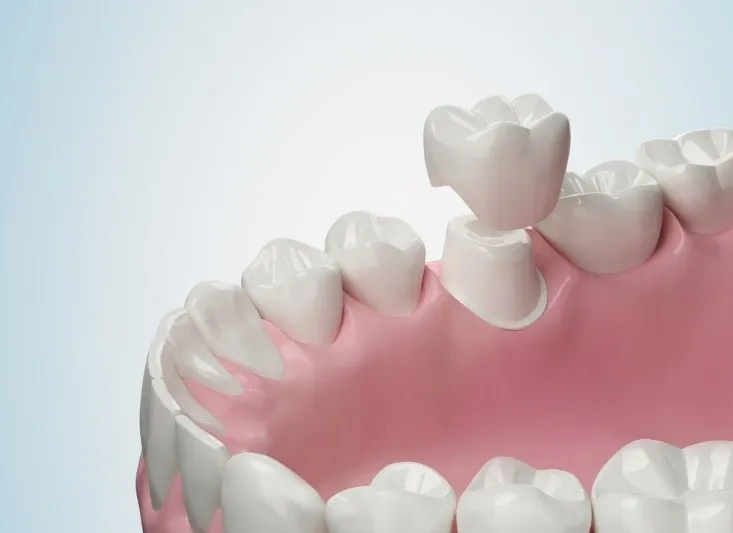
Is Cold Sensitivity Normal Two Months After Getting a Crown?
Mild cold sensitivity after a dental crown is normal for the first few days to 2–4 weeks. Sensitivity occurs due to tooth preparation which can temporarily irritate the nerve. The tooth may react to temperature changes while it adapts to the new crown. However, cold sensitivity lasting beyond 2 months is not normal.
Possible causes for prolonged sensitivity include:
- Improper fit or bite misalignment: Causing pressure on the tooth.
- Exposed dentin: Due to gum recession triggering cold sensitivity.
- Residual nerve inflammation: From deep tooth preparation.
- Small gaps: Between the crown and the natural tooth allowing cold sensations to reach the nerve.
- Pulp irritation or infection: Requiring further treatment.
Consulting a dentist in Bandra at a reliable dental clinic helps prevent long-term complications.
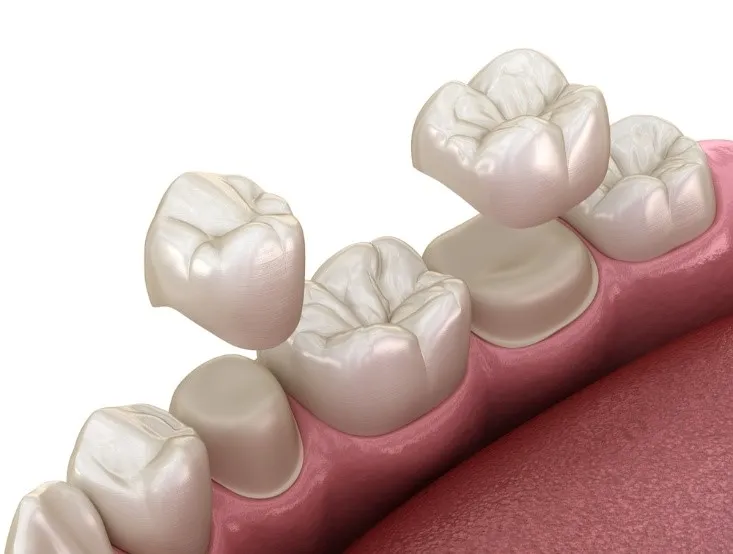
What Symptoms May Occur Along With Cold Sensitivity After a Crown?
Along with cold sensitivity after getting a dental crown, you may notice the following symptoms:
- Sharp or sudden pain when consuming cold foods or beverages.
- Discomfort while breathing in cold air through the mouth.
- Sensitivity to sweet or acidic foods in addition to cold.
- Mild aching or throbbing around the crowned tooth.
- Tenderness when biting or chewing, especially on hard foods.
- Gum irritation or slight swelling around the crown margins.
If these symptoms persist or worsen two months after crown placement, it’s advisable to consult a Dentist in Bandra for a detailed evaluation.
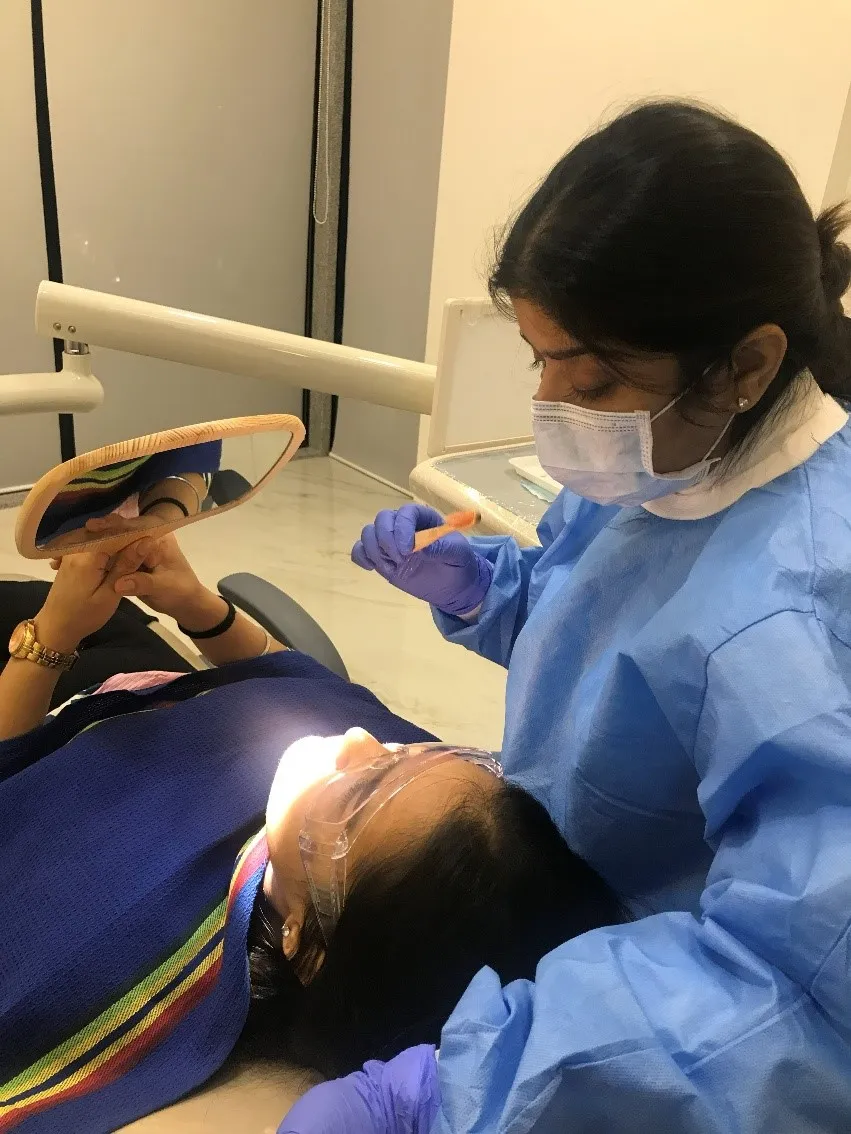
What Treatments Can Reduce Cold Sensitivity After a Crown?
To reduce cold sensitivity after a dental crown, especially if it persists for two months or more, your dentist may recommend the following treatment options:
- Bite Adjustment: Minor reshaping of the crown to eliminate high spots that place excess pressure on the tooth and irritate the nerve.
- Desensitizing Agents: Application of fluoride varnishes or in-office desensitizing gels to strengthen enamel and reduce nerve response to cold.
- Sealing Crown Margins: Closing microscopic gaps between the crown and tooth to prevent cold stimuli from reaching the inner tooth structure.
- Use of Desensitizing Toothpaste: Specialized toothpaste helps block nerve pathways and gradually reduces sensitivity with consistent use.
- Crown Recementation or Replacement: If the crown fit is inaccurate or the bonding has weakened, removing and properly reseating or replacing the crown may be necessary.
- Treatment of Underlying Decay or Gum Issues: Addressing hidden decay, gum recession, or inflammation that may be exposing sensitive tooth areas.
- Painless Root Canal Treatment (if required): In cases of severe or persistent nerve inflammation, a root canal may be the definitive solution to eliminate sensitivity.
Professional care at Aakaar Dentistry ensures safe, effective treatment.
When to Consult a Dentist?
Book a dental consultation if cold sensitivity after a crown persists or worsens, especially two months after treatment. Timely evaluation helps prevent complications and protects the underlying tooth. Seek dental care if you notice:
- Sensitivity to cold that does not improve or becomes more intense over time.
- Sharp or lingering pain after exposure to cold foods or drinks.
- Pain or discomfort while chewing or biting, which may indicate a bite imbalance.
- Swelling, redness, or tenderness around the crowned tooth.
- A loose crown or discomfort at the crown margins.
- Sensitivity accompanied by a bad taste or signs of infection.
Early intervention prevents long-term complications and protects your natural tooth.
Conclusion
Cold sensitivity after a crown for more than 2 months is not always normal, and identifying the root cause is crucial. With timely evaluation, minor adjustments, and professional care, most patients regain comfort quickly.
At Aakaar Dentistry, every patient receives personalized assessment and advanced treatment options to ensure long-lasting oral health and comfort. Regular follow-ups with an experienced Dentist in Bandra keep your crowns and natural teeth in optimal condition.
Got questions? We've got answers—let's clear the doubts and brighten your smile!
FAQs
No, Sensitivity beyond 2 months should be checked by a dentist.
Yes, if the bite is uneven or the crown is high, it can cause discomfort while chewing.
Yes, it can help reduce mild sensitivity but should not replace a professional evaluation.
Yes, cold or acidic beverages can trigger discomfort.
Replacement is considered only if the crown is faulty, damaged, or does not fit properly.