ISO 9001 : 2015 Certified
aakaar dentistry logo
Book a virtual consult
29 November 2025

Decoding Bad Breath: What’s Really Happening Inside Your Mouth
Decoding Bad Breath: What’s Really Happening Inside Your Mouth

Bad breath, also known as halitosis, is more common than people think, and it can affect self-confidence, conversations, and overall oral health. Bad breath is completely normal for a person to experience once in a while, though bad breath that persists for a longer time could mean that there's something else to be solved.

Aakaar Dentistry, one of the best dental clinic in Bandra, offers personalized diagnosis and treatment for bad breath to help patients restore fresh breath and optimal oral health. Led by Dr. Ankita Gehi, one of a highly skilled and compassionate Dentist in Bandra, the clinic blends advanced care with a patient-first approach.

Dr. Ankita Gehi says,
" Before you mask bad breath, let's understand what’s really causing it — that’s where real improvement begins."

Let’s explore the top professional and at-home methods that can transform your smile and boost your confidence.

What Really Causes Bad Breath Within the Mouth?

Bad breath, or halitosis, usually develops when odor-causing bacteria grow in the mouth. It is normal to have morning breath occasionally, but chronic bad breath usually indicates a possible oral concern that needs to be addressed.
Common causes include:

What Really Causes Bad Breath Within the Mouth?
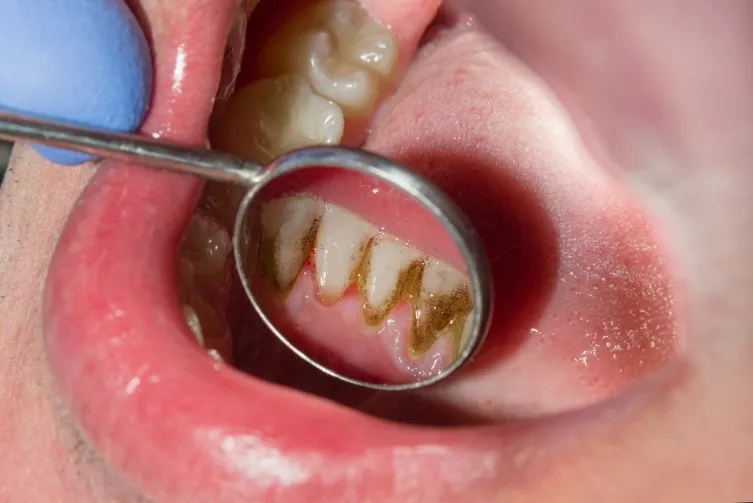
  1. Food Debris and Plaque Buildup: It is not uncommon for food particles to become lodged between teeth and along the gums, giving bacteria a safe place to survive while also producing odor-causing sulfur compounds.
  2. Poor Oral Hygiene: Not brushing, flossing, or cleaning your tongue regularly provides a home for bacteria to live comfortably while producing odor.
  3. Dry Mouth (Xerostomia): Saliva is important because it helps provide a natural cleaning of the mouth. If flow is low due to stress, dehydration, or breathing through the mouth a build-up of bacteria can produce bad breath.
  4. Gum Disease: Infections in the gums or tissues surrounding the gums can lead to odor due to the existing survival of bacteria below the surface of the gums.
  5. Tongue Coating: Bacteria can sometimes reside on the surface of the tongue, especially at the back of the tongue, making it one of the most common hosts for bad breath.
  6. Dental Issues: Cavities or dental appliances (eg. crowns or fillings) that do not seal appropriately can allow for food particles and bacteria to hide.

Understanding the root cause is key to treating bad breath effectively—not just masking it.
How Can Your Routine and Health Influence Bad Breath?

How Can Your Routine and Health Influence Bad Breath?

  1. Poor Oral Hygiene: Neglecting brushing and flossing can lead to bacteria accumulating and the development of foul-smelling sulfur compounds from food particles.
  2. Dry Mouth: Decreased saliva due to dehydration, breathing through the mouth, or medications allows odor-causing bacteria to multiply in the mouth.
  3. Diet Choices: Foods such as garlic, or onion, sugary snacks, or excess caffeine can cause or worsen bad breath.
  4. Smoking and Tobacco: Smoking not only dries the mouth, but also deposits chemicals in the mouth and increases bacteria.
  5. Medical Conditions: Bacteria can also be caused by medical conditions like acid reflux, tonsil stones, sinus infections, or uncontrolled diabetes.
  6. Improper Cleaning of Dental Appliances: Aligners,veneers dentures, or retainers can also promote bacteria if not cleaned properly.

Which Red Flags Signal Persistent Bad Breath Issues?

  1. Bad breath lasting more than 2-3 weeks despite good oral hygiene
  2. An unusual, metallic, or bitter taste in the mouth
  3. Excess bleeding, gum pain, swelling or tenderness when brushing or flossing
  4. Chronic dry mouth not fixed by drinking water or hydration
  5. White or yellow coating on the tongue that does not go away
  6. Chronic cavities or tooth ache
  7. Bad breath indicating possible sinus problems, allergy related, or throat issues
  8. Loosened teeth or gum recession
  9. People around you mention the scent even with attempts to freshen
  10. Mouthwash or mints temporarily mask the scent but do not fix it.

What Simple Routines Can Help Prevent Bad Breath?

What Simple Routines Can Help Prevent Bad Breath?
  1. Brush your teeth twice a day to remove plaque and bacteria that cause bad breath.
  2. Floss regularly to remove food debris and bacteria from between your teeth.
  3. Clean your tongue with a scraper or a soft-bristled toothbrush to remove the bacterial layer.
  4. Drink plenty of water to promote saliva flow which is your body’s natural mouth cleanser.
  5. Use an alcohol-free mouthwash to kill bacteria without drying your mouth.
  6. Change your toothbrush every three months, or sooner if the bristles are frayed.
  7. Limit sweets and highly fragrant foods like garlic and onions.
  8. Avoid tobacco products and smoking as they can dry your mouth and create permanent smells.
  9. Go for regular dental check-ups to make sure your oral health is healthy and control for any possible issues that you may not be aware of that cause bad breath.

When to Consult a Dentist

If bad breath continues to occur despite good oral health habits, you may have a reason for a professional evaluation. Persistent bad breath (halitosis) can be symptomatic of more serious issues including gum disease, cavities, dry mouth, or systemic health problems. If you begin to notice you have ongoing bad breath, pain, bleeding or swollen gums, or a coating on your tongue, you should make an appointment. Getting an early diagnosis can always help prevent the situation from escalating, and can restore you to longer lasting fresh breath and confidence.

Conclusion

Bad breath isn’t just a cosmetic concern; it’s often a signal from your body that something needs attention. By understanding the root cause, taking preventive steps, and seeking timely care, fresh breath and improved confidence are achievable.

At Aakaar Dentistry, every patient receives custom guidance and advanced treatment designed to improve oral balance and ensure long-term freshness. Whether it’s lifestyle changes, routine cleaning, or targeted treatment, support is always available to help you feel your best.

Your journey toward healthier breath and stronger oral wellness can begin today and with one of a trusted Dentist in Bandra, professional care is only an appointment away.

Got questions? We’ve got answers—let’s clear the doubts and brighten your smile!

FAQs

1. Is bad breath always linked to poor hygiene?

Not always; medical conditions, dry mouth, or gum disease can also cause persistent odor.

2 What does it mean if bad breath lasts for more than two weeks?

Persistent bad breath lasting over two weeks may indicate an underlying issue such as gum disease, tooth decay, dry mouth, or an infection and it should be evaluated by a dentist to identify and treat the root cause effectively.

3 What is the best treatment for bad breath?

Treatment depends on the cause and may include scaling and polishing, treating gum disease, managing dry mouth, correcting decay, tongue cleaning routines, or medical referral if the source isn’t dental.

4. Can diet affect how my breath smells?

Yes, spicy foods, garlic, onions, and sugary snacks can increase odor-causing bacteria.

5. How often should I visit a dentist for bad breath concerns?

Every 6 months or sooner if symptoms persist despite good oral care.

Let's connect