
Gum infection after root canal
Undergoing a root canal treatment can feel like a major relief, but what if your gums start hurting or swelling afterward? A gum infection after root canal, though uncommon, can occur and needs attention. At Aakaar Dentistry, your trusted Dentist in Bandra, we’re committed to diagnosing and treating these infections quickly and with compassion. Let’s explore what causes these infections, how to identify them, and what you should do next.
A painless root canal is performed to remove infection from inside the tooth, aiming to resolve pain and eliminate decay. While highly effective, post-treatment complications like a gum infection after root canal can arise if bacteria persist or re-enter the treated area. Today’s blog will guide you through everything you need to know—so you can spot problems early and keep your smile healthy.
Dr. Ankita Gehi, founder of Aakaar Dentistry, a renowned dental clinic in Bandra, and a seasoned prosthodontist, explains:
"Even though a painless root canal clears the source of infection inside the tooth, surrounding gum tissues can still be vulnerable—especially if there are tiny cracks or the restoration is delayed. Knowing the warning signs is essential for timely care."
Causes of Swollen Gums After Root Canal
Understanding why you might develop a gum infection after root canal helps you take proactive steps to prevent it. Here are common triggers:
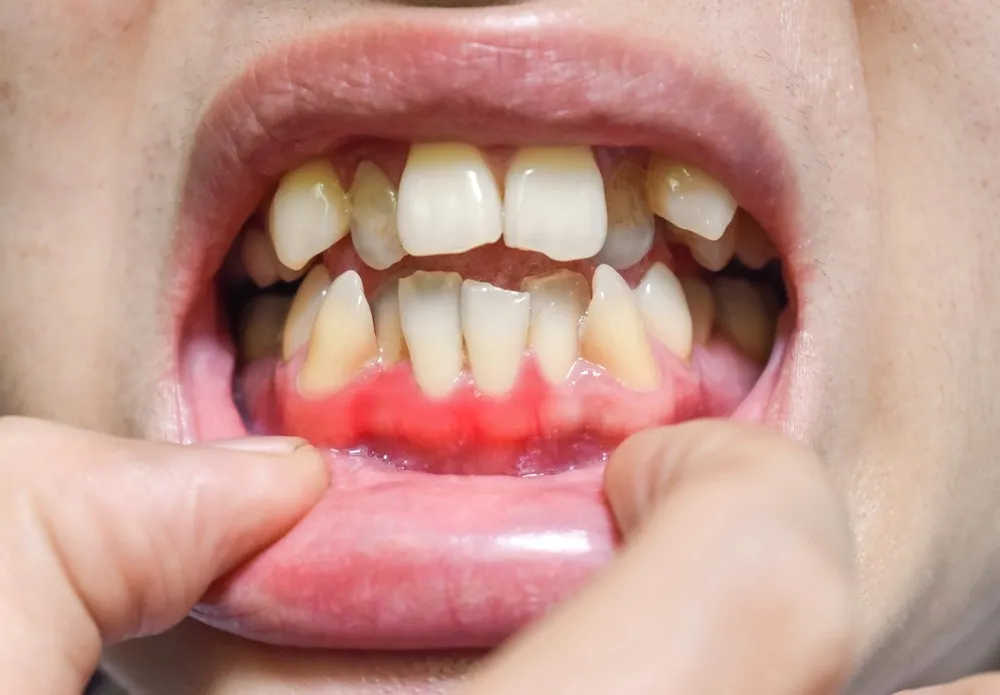
- Residual or Reintroduced Bacteria Even with meticulous cleaning, some bacteria can linger in microscopic root canals or dentinal tubules. If oral hygiene isn’t maintained, bacteria may re-enter the treated site, causing infection.
- Incomplete Root Canal Filling Gaps or voids in the canal filling provide pathways for bacteria to travel down the root, leading to infection and swelling in the gum tissue.
- Cracked Tooth Undetected fractures allow bacteria from the mouth to enter the treated area, leading to a gum infection after root canal and possible abscess formation.
- Immune System Compromise Conditions like diabetes, or habits like smoking, weaken your body’s ability to fight off infection, making gum tissues more susceptible to infections.
- Delayed Crown Placement After root canal therapy, crown and bridges or permanent restoration is essential. Delays can introduce bacteria and lead to gum infection.
Experiencing persistent pain after your root canal? Don’t wait to get it checked. Our expert team at Aakaar Dentistry can help diagnose and treat the issue for a smoother recovery.
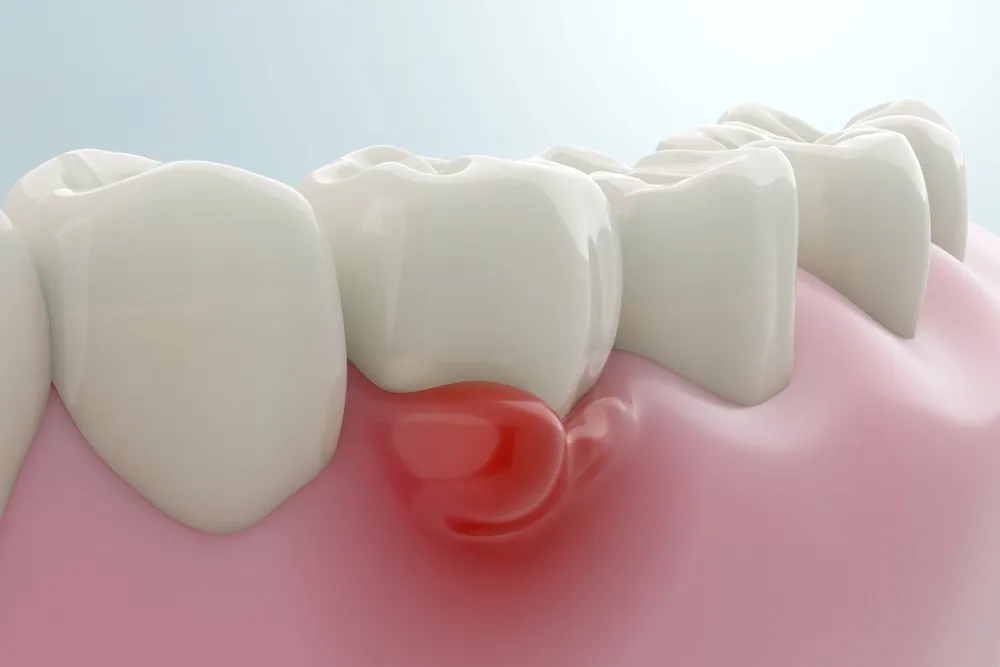
Signs of Infection after Root Canal
If your symptoms align with a gum infection after root canal, it’s vital to seek professional care. Watch for:
- Persistent or worsening gum swelling – beyond 48–72 hours post-treatment
- Localized gum pain or throbbing near the treated tooth
- Pus or drainage from gums or around the tooth
- Bad taste or foul odor in your mouth
- Tenderness when teeth come together
If you notice any of these signs especially pain combined with swelling after root canal or discharge it could mean a developing gum infection after root canal that needs treatment.
What Happens If You Get an Infection After Root Canal?
If a gum infection after root canal remains untreated, it can escalate and lead to more serious outcomes:
- Abscess Formation: A pus pocket can form at the root tip, causing deep pain and swelling.
- Bone Loss: The infection can erode the jawbone supporting the tooth.
- Tooth Loss: Severe infections may necessitate extraction if the tooth cannot be saved.
Early detection and treatment are essential to prevent these serious complications.
Uncertain about your recovery after a root canal procedure? Our dental experts at Aakaar Dentistry are here to guide you through the healing process and ensure optimal outcomes.
Treatment of Gum Infection After Root Canal
At Aakaar Dentistry, we approach post-root canal gum infection with a comprehensive, patient-focused treatment plan:

- Clinical Assessment and Imaging We thoroughly examine the affected tooth and use advanced imaging—often a 3D CBCT scan—to identify hidden issues in the root or bone structure.
- Cleaning and Re‑Treatment The original root canal filling may be removed, the canal cleaned again, disinfected, and re‑filled with precision to eliminate residual bacteria.
- Drainage of Abscess If an abscess is present, we’ll drain it to reduce pressure and pain, speeding up recovery.
- Antibiotic Therapy For infections showing systemic signs, we prescribe antibiotics to help your immune system fight the bacteria.
- Permanent Restoration Next, we place a crown or other appropriate restoration to seal the tooth, preventing reinfection.
- Supportive Care Our protocol may include pain relievers, oral rinses (like saline or chlorhexidine), and cold compresses to control symptoms and aid healing.
At Aakaar Dentistry, our dental clinic in Bandra, this careful approach ensures effective resolution and optimal restoration.
When to See a Dentist
It's crucial not to ignore lingering or worsening symptoms after your root canal treatment. If you experience persistent gum swelling, throbbing pain, pus discharge, a foul taste in your mouth, or fever even days after the procedure—it's time to see a professional. Difficulty opening your mouth or chewing may also indicate underlying infection. At this stage, delaying treatment can result in more serious complications like abscesses or tooth loss. For patients experiencing dental anxiety, it's important to know that modern care at Aakaar Dentistry prioritizes comfort, clear communication, and gentle treatment, making your visit less stressful and more reassuring.
Dr. Dhananjay Hemmady, Chief Dentist at Aakaar Dentistry, adds:
"Many patients wait too long, assuming post-root canal discomfort is normal. But when pain lingers or swelling increases, it's usually a sign that something needs clinical attention. Timely intervention makes a world of difference in outcomes."
Noticing swelling or discomfort weeks after your root canal? Early intervention is key to preventing complications. Let our experienced professionals provide the care you need.
Conclusion
A gum infection after root canal, while uncommon, is a complication that requires swift, expert attention. Knowing the causes, symptoms, and treatment steps empowers you to act quickly and avoid escalation. At Aakaar Dentistry, we use the latest technology like 3D CBCT imaging and our deep expertise in endodontics and restorative treatments to ensure your infection is handled effectively and your oral health is secured.
FAQs
It occurs in a small percentage of cases due to resistant bacteria, missed canals, or cracks—but prompt treatment prevents serious consequences.
Usually within 2–5 days post-treatment—look for swelling, throbbing pain, or any discharge.
While home remedies may provide symptom relief, they cannot clear the infection. A dental clinic in Bandra like Aakaar Dentistry offers the proper clinical solutions needed for full recovery.
If detected early and limited to soft tissues, a minor periodontal procedure and antibiotics might suffice. But often, the root canal filling must be redone.
Maintain excellent oral hygiene, attend follow-up appointments, and ensure prompt placement of the permanent crown.
If you're using dentures, especially partial ones, and notice gum swelling or discomfort around a root canal-treated tooth, consult your dentist promptly. Ill-fitting appliances can sometimes contribute to tissue irritation or infection.
Reference Links:
Disclaimer: The content shared on this page is for informational purposes and not for promotional use.