
Jaw Pain 2 Weeks After Root Canal

Experiencing jaw pain two weeks after a root canal procedure can be concerning. While some discomfort is normal, prolonged pain may signal underlying issues. At Aakaar Dentistry, a dental clinic in Bandra, we believe in providing comprehensive care and guidance, ensuring your recovery journey is as smooth as possible. In this blog, we will explore the common causes, potential complications, and how to relieve jaw pain after a root canal.
"Experiencing jaw pain after a root canal can be concerning, but it’s important to understand that mild discomfort is common and part of the healing process. However, persistent pain may signal an underlying issue that requires attention," says Dr. Ankita Gehi, Founder of Aakaar Dentistry, a trusted dental clinic in Bandra.
Causes of Jaw Pain 2 Weeks After Root Canal Treatment

Jaw pain two weeks after a painless root canal is not uncommon, but it can stem from various factors. Some of the most common causes include:
- Inflammatory Response: The body’s natural healing process often leads to inflammation around the treated area, causing mild to moderate discomfort.
- Residual Infection: In some cases, lingering bacteria in the tooth or root may continue to cause irritation, leading to pain even after the procedure.
- Bite Misalignment: If the treated tooth is not perfectly aligned with the surrounding teeth, it can cause pressure when chewing, resulting in jaw pain.
- Injury from Dental Tools: The instruments used during the procedure may occasionally cause slight irritation to the surrounding tissue, leading to temporary pain.
Understanding the cause of your jaw pain will help determine the right course of action. If your discomfort persists beyond two weeks, it’s important to seek professional advice.
Experiencing persistent pain after your root canal? Don’t wait to get it checked. Our expert team at Aakaar Dentistry can help diagnose and treat the issue for a smoother recovery.
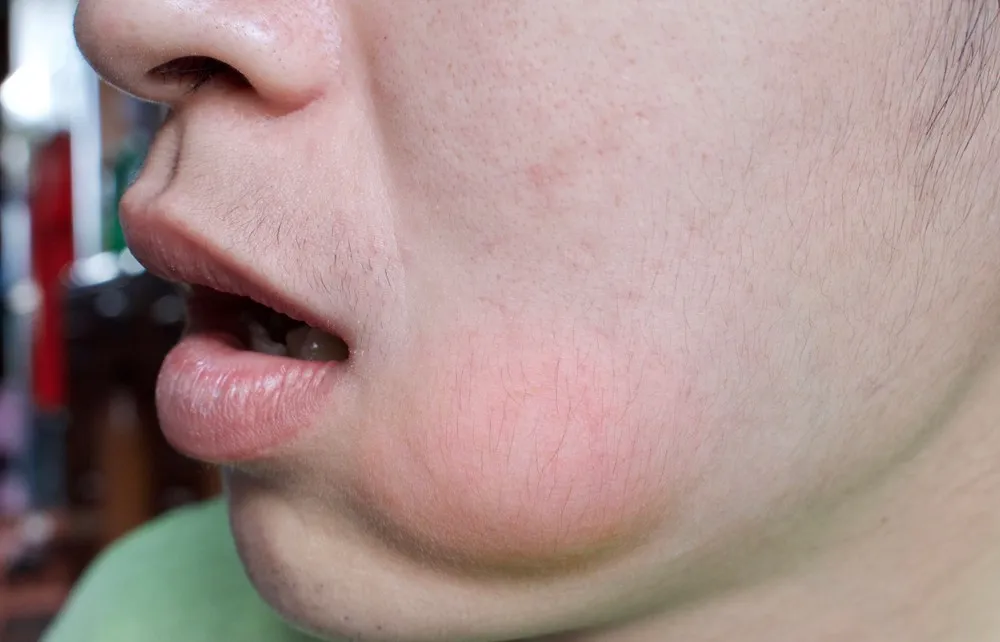
Potential Complications
While rare, some complications may contribute to ongoing jaw pain:
- Infection: An untreated infection can lead to further swelling after root canal and pain, requiring immediate treatment.
- Trismus (Jaw Muscle Spasm): Inflammation from the procedure can cause spasms in the jaw muscles, resulting in restricted movement and discomfort.
- Post-Treatment Sensitivity: After a root canal, the tooth may experience tooth sensitivity to temperature changes or pressure, which can contribute to ongoing discomfort. This is usually temporary and improves as the tooth heals.
Root Canal Recovery Timeline
The recovery process after a root canal typically follows a predictable pattern. Here’s a summary of what you can expect during the first few weeks:
First 2-3 Days: Initial Recovery Phase
- Mild swelling and discomfort due to the body's inflammatory response.
- Pain when chewing or applying pressure.
- Possible sensitivity to hot or cold foods.
Days 4-7: Reduction in Swelling
- Swelling should reduce noticeably.
- Discomfort becomes more manageable.
Week 2: Significant Improvement
- Pain is significantly reduced, and swelling should mostly subside.
- Some mild discomfort or sensitivity may remain.
Post Week 2: Final Healing Phase
- No pain or discomfort when chewing or biting.
- Full recovery may take a few months.