
Plaque vs Cavity: What's the Difference and Why It Matters
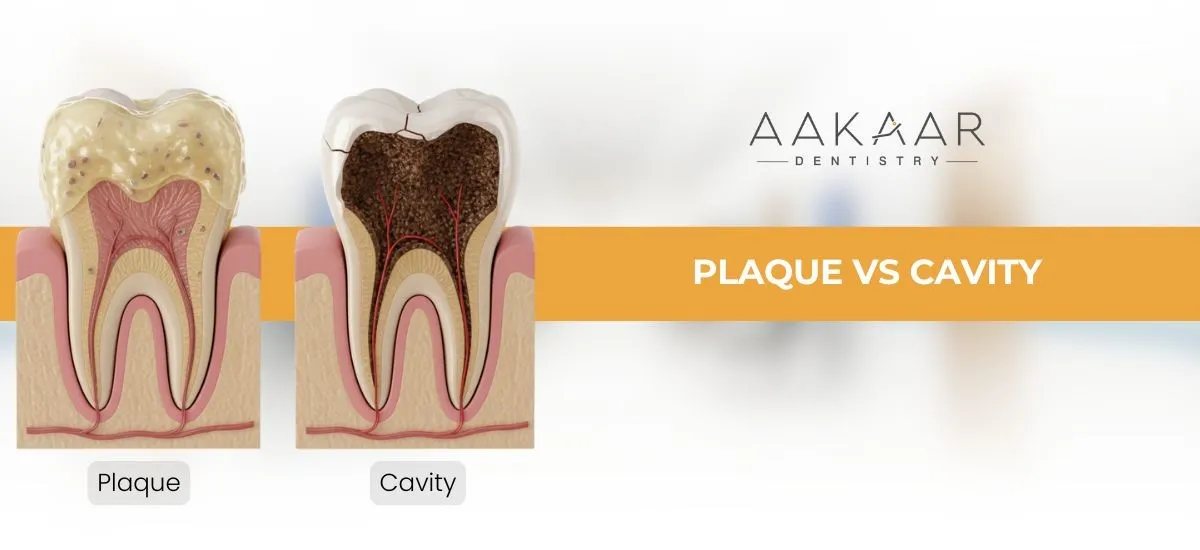
Plaque and cavities are two of the most common dental problems people experience, yet they are often misunderstood. While plaque is the sticky film of bacteria that forms on teeth, cavities are the permanent damage that occurs when plaque is left untreated. Understanding the difference is the first step toward preventing serious dental issues and maintaining a healthy smile.
At Aakaar Dentistry, Dr. Ankita Gehi, an experienced dentist at a leading dental clinic in Bandra, helps patients understand their oral health better through compassionate, precise and preventive care.
As Dr. Gehi says,
"Small dental issues today can become big problems tomorrow. Early attention is always the key to a healthy smile."
Let's understand this deeper.
Understanding Plaque and Cavity
What is Plaque?
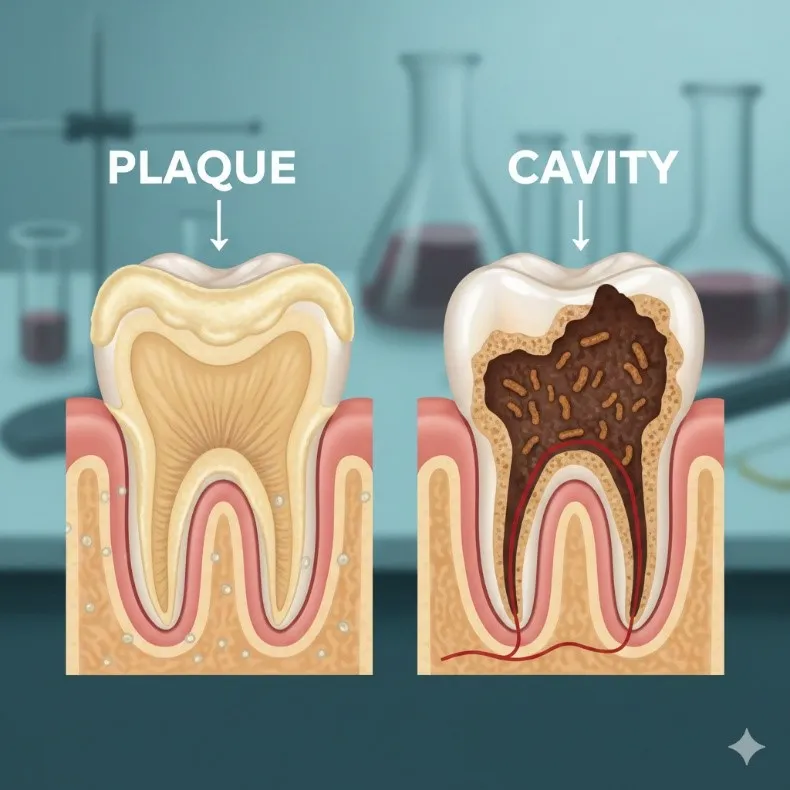
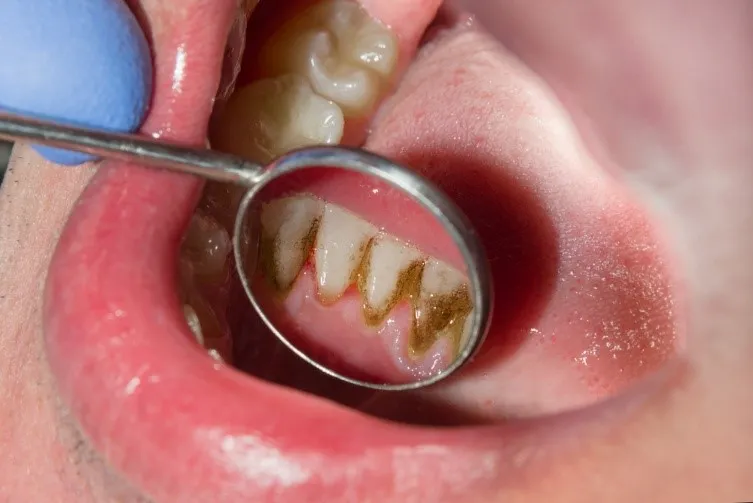
Plaque is a soft, sticky, colorless film made of bacteria that constantly forms on your teeth. It develops when bacteria interact with food debris and saliva. If not removed through daily brushing and flossing, plaque can harden into tartar, irritate the gums, and increase the risk of tooth decay and gum disease.
What is a Cavity?
A cavity, also known as dental caries, is permanent tooth damage caused due to the long-term presence of plaque buildup. When plaque bacteria release acids, they gradually dissolve the enamel. Over time, this acid attack creates tiny openings or holes in the tooth, which can deepen if left untreated, eventually affecting the dentin and sometimes even the nerve.
How Do Plaque and Cavities Differ?
Although plaque and cavities are related, they are not the same. Understanding the distinction helps in preventing long-term dental issues.
1. Nature of the Problem
- Plaque is a soft, sticky film of bacteria that forms daily on teeth.
- A cavity is permanent tooth damage caused when plaque acids erode enamel over time.
2. Formation Timeline
- Plaque develops quickly, often within hours after eating or drinking.
- Cavities form gradually, usually after weeks or months of untreated plaque build-up.
3. Reversibility
- Plaque can be removed easily through brushing, flossing, and professional cleaning.
- Cavities cannot be reversed and require dental treatment such as fillings, inlays, or crowns.
4. Symptoms
- Plaque often has no symptoms, though it contributes to bad breath and gum irritation.
- Cavities may cause sensitivity, pain, or visible holes on the tooth surface.
5. Impact on Oral Health
- Plaque is the starting point for multiple problems like cavities, tartar, and gum disease.
- Cavities signify active tooth decay, which can progress to infection if untreated.
Key Factors That Lead to Plaque and Cavity Formation
Several daily habits and biological factors contribute to the development of plaque and cavities. The most common include:
1. Poor Oral Hygiene
Inadequate brushing and flossing allow food particles and bacteria to remain on the teeth, leading to plaque accumulation that eventually causes cavities.
2. High Sugar & Acidic Foods
Frequent consumption of sugary snacks, sodas, candies, and acidic foods feeds harmful bacteria. These bacteria produce acids that weaken enamel and increase the risk of tooth decay.
3. Dry Mouth (Reduced Saliva Production)
Saliva naturally washes away bacteria and neutralises acids. Conditions like dehydration, certain medications, or mouth breathing can reduce saliva, making plaque build-up easier.
4. Irregular Dental Check-Ups
Skipping routine cleanings means plaque and tartar remain on teeth longer, increasing the risk of cavities.
5. Genetics
Some individuals naturally have weaker enamel, deeper grooves in teeth, or a higher tendency for bacterial build-up, making them more prone to cavities.
6. Poor Nutrition
Lack of essential nutrients such as calcium, vitamin D, and phosphorus weakens teeth, making them more vulnerable to decay.
7. Frequent Snacking
Continuous snacking creates an environment where teeth are constantly exposed to acids, preventing enamel from recovering between meals.
8. Improper Brushing Technique
Rushing through brushing or missing back teeth and gumlines allows plaque to accumulate in difficult-to-clean areas.
Effective Ways to Prevent Plaque and Cavities

Preventing plaque and cavities requires a mix of good oral hygiene habits, smart dietary choices, and regular dental care. Here are the most effective and dentist-recommended strategies:
1. Brush Twice Daily with Fluoride Toothpaste
- Fluoride strengthens enamel and helps prevent decay.
- Use gentle circular motions for at least 2 minutes.
2. Floss Every Day
- Flossing removes food particles and plaque from areas your toothbrush cannot reach, especially between teeth.
3. Reduce Sugary and Sticky Foods
- Chocolates, candies, sodas, and refined carbohydrates feed harmful bacteria.
- Limiting sugary snacks reduces acid production and lowers cavity risk.
4. Rinse After Meals
- A simple water rinse can help wash away food debris and neutralize acids.
5. Use an Antibacterial Mouthwash
- Helps reduce plaque-causing bacteria and keeps your mouth fresh.
- Choose an alcohol-free mouthwash for daily use.
6. Increase Water Intake
- Drinking water boosts saliva production, which naturally helps protect teeth from bacterial acids.
7. Eat Tooth-Friendly Foods
Include:
- Dairy products (high in calcium)
- Fibrous fruits and vegetables like apples and carrots
- Nuts and leafy greens
These help clean teeth and strengthen enamel.
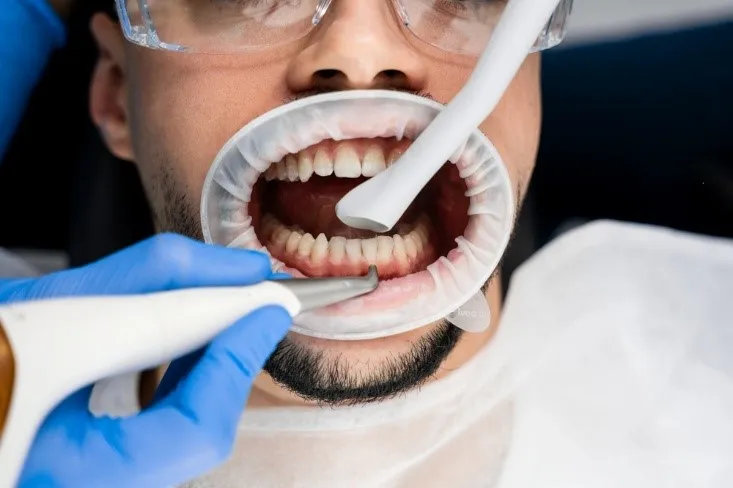
8. Get Professional Teeth Cleaning Twice a Year
- Dental cleanings help remove hardened plaque (tartar) that brushing cannot remove.
9. Avoid Tobacco
- Smoking or using tobacco accelerates plaque build-up and increases the risk of gum disease and decay.
10. Consider Dental Sealants
- A dentist may recommend sealants for extra protection on molars, especially for children or high-risk adults.
Why Professional Care Matters
While home care is essential, professional dental care plays a crucial role in maintaining optimal oral health. Regular dental visits allow your dentist to detect early signs of plaque buildup and cavities before they become serious problems.
Benefits of Regular Dental Visits:
- Early detection of cavities and gum disease
- Professional removal of tartar that brushing cannot remove
- Personalized oral hygiene guidance
- Prevention of tooth loss and bone deterioration
- Improved overall health through better oral hygiene
Schedule visits every 6 months for optimal dental health, or more frequently if recommended by your dentist.