
Root Canal Pain After 3 Days
Dental health is deeply tied to our overall well-being, and few treatments emphasize this connection like a root canal. Despite common fears, modern root canal therapy is a safe and essential solution to preserve natural teeth and eliminate infection.
Globally, over 15 million root canals are performed each year, with India contributing a substantial share due to increasing awareness and accessibility. Yet, for many patients, questions linger—especially about post-treatment discomfort.
Dr. Ankita Gehi, co-founder of Aakaar Dentistry, a popular Dental clinic in Bandra,shares:
“While it’s common to feel some level of soreness or sensitivity after a root canal, persistent pain beyond a few days may indicate your tooth’s healing process needs closer attention. It’s crucial to distinguish between normal healing sensations and signs that something more is going on. That’s where a tailored approach and early professional support make all the difference.”
Still feeling discomfort days after your root canal? Let’s break down what’s normal and what may need attention.
Is Root Canal Pain After 3 Days Normal—or a Cause for Concern?
It's not uncommon to experience some degree of pain or sensitivity three days after a root canal. For most patients, this discomfort is part of the body’s natural healing response. However, when pain becomes persistent or starts intensifying, it’s essential to dig deeper.
Let’s look at both normal healing factors and potential red flags:
What’s Normal?
- Residual Inflammation: After a root canal, the surrounding tissues may still be inflamed. This mild swelling can result in dull, throbbing, or intermittent pain as the area begins to heal.
- Sensitivity to Pressure: Chewing or applying pressure might trigger soreness, especially if the tooth was used for biting soon after treatment. This sensitivity typically fades over a few days.
- Nerve and Tissue Response: Although the tooth's nerve is removed during a root canal, surrounding periodontal ligaments and nearby nerves may remain reactive, especially if the tooth had significant infection or trauma.
Dr. Dhananjay Hemmady, Chief Dentist at Aakaar Dentistry in Bandra, explains:
“Mild discomfort after a root canal isn’t unusual. The key is in monitoring how it progresses. If pain stays the same or improves gradually, it’s likely part of healing. But if it worsens, radiates, or comes with other symptoms, it could be a sign of underlying complications. At our clinic, we prioritize post-treatment check-ins to ensure a smooth and pain-free recovery.”
What Might Be a Concern?
Persistent or worsening root canal pain after 3 days may point to specific complications. Here are common causes that require closer attention:
- High Filling or Crown: A restoration that sits too high can cause excessive pressure during biting, leading to pain and discomfort. This is a simple fix but often overlooked.
- Residual Infection: Tiny, complex root structures may retain remnants of infected tissue if not fully cleaned. If bacteria linger, they can trigger a slow-developing post-treatment infection.
- Instrument Overextension: Dental tools used to clean the root canal may sometimes pass slightly beyond the root tip, irritating nearby tissues or nerves.
- Missed Canal: Back teeth, especially molars, often have multiple canals. If even one is missed, infection may persist, causing pain days after the procedure.
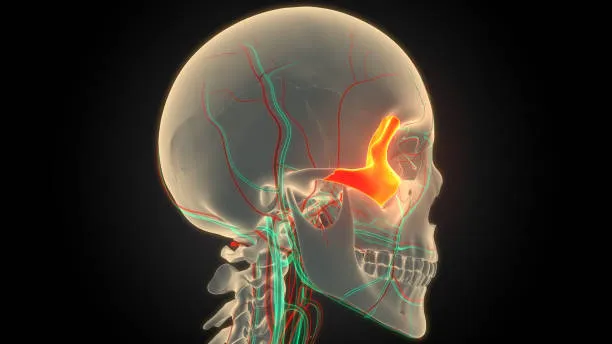
- Sinus Communication (Upper Molars): In rare cases, especially with upper back teeth, the root tips may be close to the sinus cavity. Inflammation or a slight perforation here can lead to a sense of pressure or discomfort that radiates to the cheek or eye area.
Understanding whether your pain is due to normal healing or a potential complication is crucial. While some tenderness is expected, ongoing or escalating pain shouldn't be ignored.
Experiencing soreness after your procedure? Seek professional support to assess your recovery and gain peace of mind.
What Happens If You Get an Infection After Root Canal?
First 24–48 Hours
- Soreness and mild discomfort common
- Over-the-counter pain relievers usually help
- Avoid chewing on the treated side
Day 3–5
- Pain should significantly reduce
- Sensitivity may persist with pressure
- Persistent pain at this stage warrants evaluation
Week 1–2
- Most patients feel almost normal
- Final crown placement may occur after reassessment
- Good oral hygiene crucial for long-term success
Beyond 2 Weeks
- No pain or tenderness expected
- If symptoms persist or worsen, it could indicate a complication like re-infection or structural damage
Dr. Ankita Gehi, an acclaimed Prosthodontist in Bandra, adds:
“Our goal isn’t just a completed root canal, but a comfortable and complete recovery. If pain extends beyond expected timeframes, we take it seriously and ensure a detailed evaluation.”
Uncertain about your healing timeline? A professional can help ensure you’re healing as expected and offer relief if you’re not.
How to Reduce Root Canal Pain After 3 Days
While professional assessment is key, these self-care steps may help:
- Use Anti-Inflammatory Medications : Ibuprofen or similar NSAIDs reduce swelling and alleviate pain. Always follow dosage instructions.
- Avoid Chewing on the Treated Side: Give your tooth time to rest. Avoid hard or crunchy foods that strain healing tissues.
- Apply a Cold Compress: Cold packs near the cheek reduce inflammation and offer comfort, especially in the first 48 hours.
- Rinse with Saltwate: Gentle rinsing with warm saltwater promotes healing and minimizes bacterial activity.
- Maintain Oral Hygiene: Brush gently and avoid aggressive flossing near the treated tooth. Cleanliness reduces the risk of secondary infection.
- Get the Final Crown on Time: Delaying the final crown can expose the tooth to new bacteria or fracture. Always follow up for the permanent restoration.
Not all pain is harmless—know when it’s time to act.
When to See a Dentist?

Seek immediate dental attention if you experience:
- Sharp or worsening pain after day 3
- Swelling in gums or face
- Foul taste or discharge from the treated tooth
- Fever or signs of infection
- Pain radiating to other areas like jaw or ear
- Difficulty opening mouth or chewing
Dr. Dhananjay Hemmady, a trusted Cosmetic/Aesthetic Dentist in Bandra, advises:
“Trust your instincts. Pain that interferes with your daily life shouldn’t be ignored. Early intervention often means simpler solutions.”
Your smile is worth protecting—don’t let uncertainty delay healing.
Conclusion
While root canal pain after 3 days can be part of normal healing, it's important to stay informed. Listen to your body and know when something doesn’t feel right. Timely professional care not only prevents complications but ensures your restored tooth serves you for years.
At Aakaar Dentistry in Bandra, every treatment is backed by expertise, transparency, and cutting-edge technology, ensuring your long-term oral health is in the best hands.
Unsure whether your root canal pain is normal? Book a dental consultation to get clarity and take control of your recovery.
Still curious? Here are answers to common concerns patients have after a root canal.
FAQs
Yes, it's possible to experience fluctuating sensitivity as the surrounding tissues heal. However, this should gradually improve—not intensify. Keep a pain journal and report any patterns to your dentist. If you're also undergoing treatments like clear aligners, the discomfort may be slightly amplified as your mouth adjusts.
Throbbing could indicate lingering inflammation or infection. While mild throbbing may settle, continuous or increasing intensity needs professional evaluation.
Yes. Most patients can return to routine activities the same day. If the pain is manageable and not interfering with concentration or eating, it’s safe to resume normal duties.
Only if there’s an active infection. Pain alone doesn’t always require antibiotics. Overuse can cause resistance, so rely on your dentist’s guidance.
This often happens if the filling or crown height is slightly off. It’s easily adjusted but should be done promptly to avoid prolonged discomfort.
References:
Disclaimer: The information shared in this content is for educational purposes only and not for promotional use.