
Swelling After Wisdom Tooth Extraction
A healthy smile begins with healthy teeth, but sometimes, even healthy mouths require intervention—especially when wisdom teeth enter the picture. Often erupting in the late teens or early twenties, these third molars can cause discomfort, misalignment, or infection, making extraction necessary.
While the procedure itself is common and relatively quick, many patients experience swelling after wisdom tooth extraction, which can lead to concern if it’s not understood properly. At Aakaar Dentistry, a state-of-the-art dental clinic based in Bandra West, we believe that clear knowledge is the first step toward calm recovery. Dr. Ankita Gehi, an acclaimed dentist in Bandra, shares:
“Swelling after wisdom tooth extraction is a body’s natural response to trauma. While it may be alarming to see puffy cheeks or tender gums, it’s part of the healing process. What’s important is understanding the difference between normal swelling and signs of complications. That way, recovery becomes less stressful and more predictable.”
Let’s explore this in more detail…
Is It Normal to Have Swelling After Wisdom Tooth Extraction?
Yes—swelling is a perfectly normal post-operative response to tooth removal, especially for wisdom teeth due to their size, position, and proximity to bone and tissue. In fact, studies show that up to 80% of patients experience facial swelling in the first 48 hours following the procedure.
How Long Does Swelling Last After Wisdom Teeth Removal?

Let’s break it down by timeline:
- Day 1–2: Swelling begins, often increasing in the first 24–48 hours.
- Day 3: Peak swelling—cheeks may look puffy, and mild bruising may appear.
- Day 4–5: Swelling should begin to subside noticeably.
- Day 7: Most swelling disappears; any residual puffiness usually resolves within 10 days.
At three weeks post-extraction, swelling should be minimal or gone. If it persists, returns, seek prompt dental care to avoid complications.
Dr. Dhananjay Hemmady, Chief Dentist at Aakaar Dentistry in Bandra, says:
“The amount of swelling can vary from person to person. It depends on factors like the tooth’s position, whether it was impacted, and the patient’s immune response. Rest, cold compresses, and following post-op instructions are key to managing it.”
Experiencing more swelling than expected after a wisdom tooth removal? Consult a dental expert to determine whether your healing is progressing normally.
While most swelling is benign and temporary, there are cases where it signals something more serious.
Potential Complications Related to Swelling
Here's what to watch for:
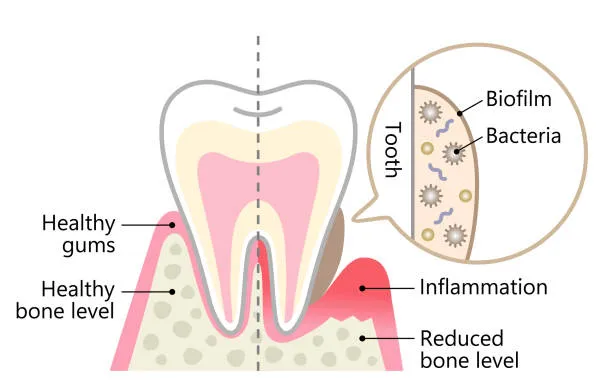
- Dry Socket: Occurs when the blood clot at the site dislodges or dissolves prematurely.
- Symptoms: Intense pain 2–4 days after extraction, foul breath.
- Relation to Swelling: Usually minimal swelling but extreme pain—don’t ignore it.
- Infection: Post-operative infection can cause gum swelling after tooth extraction and fever.
- Symptoms: Increased swelling after day 3, pus, bad taste, warmth around the jaw.
- What It Means: May require antibiotics and in-clinic cleaning.
- Abscess Formation: A localized pus pocket under the gum.
- Symptoms: Persistent face swelling after tooth extraction, localized pain, fever.
- What to Do: Immediate dental attention is crucial to prevent systemic spread.
- Sinus Involvement: Upper wisdom teeth are close to sinus cavities. In rare cases, extraction may open a small passage.
- Symptoms: Fluid leakage from nose when drinking, nasal congestion.
- Why It Matters: This can delay healing and worsen swelling in the cheek and under-eye region.
Noticing unusual symptoms along with swelling? Let’s dive into how you can ease the discomfort effectively...
How to Reduce Swelling After Tooth Extraction
Managing swelling well can enhance comfort and prevent further complications. Here’s how to do it right:
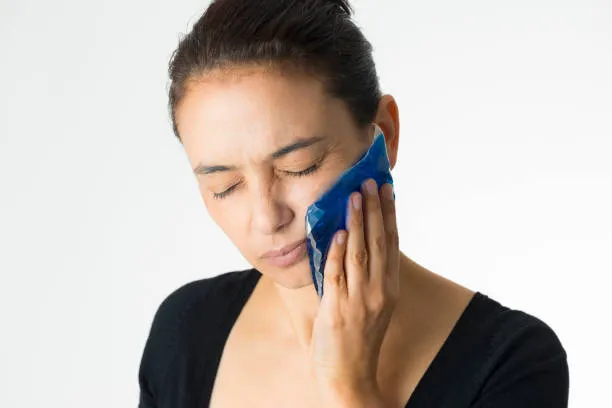
- Apply Cold Compresses: Cold constricts blood vessels, reducing inflammation.
- When: First 24–36 hours post-extraction.
- How: Use an ice pack for 15–20 minutes every hour.
- Elevate Your Head: Sleeping with an elevated head minimizes fluid accumulation.
- Tip: Use an extra pillow or recline in a lounge chair while resting.
- Stay Hydrated and Avoid Hot Foods: Hot foods can increase blood flow and exacerbate swelling.
- Recommended: Cool broths, smoothies, and room-temperature water.
- Avoid Straws and Spitting: These actions create suction that can dislodge clots and increase trauma.
- Best Practice: Gently rinse after 24 hours with salt water, avoiding harsh gargling.
- Follow Prescribed Medications: Anti-inflammatories and antibiotics reduce swelling and prevent infections.
Dr. Ankita Gehi, an acclaimed Prosthodontist in Bandra, adds:
“Post-operative care is as critical as the extraction itself. Most patients who follow instructions see swelling reduce dramatically by day four. But overlooking the small things—like sipping through a straw or skipping medications—can delay healing.”
Struggling with prolonged swelling despite aftercare? Speak to a dental specialist to receive personalized advice tailored to your healing timeline.

There’s a fine line between healing and warning signs.
When to See a Dentist
Here’s when you should seek dental attention immediately:
- Swelling increases after Day 3 or returns after subsiding
- Persistent or increasing pain beyond Day 5
- Fever or chills
- Pus or foul taste in the mouth
- Difficulty breathing or swallowing
These signs may indicate infection, dry socket, or another underlying issue. Never hesitate to call your dentist if symptoms feel unusual.
Knowing when to act is key—let’s wrap up your healing process with confidence.
Conclusion
Swelling after wisdom tooth extraction is a natural part of the body’s healing process. It may feel alarming at first, especially if your cheeks puff up or your jaw feels tight, but in most cases, it’s completely manageable with the right care and knowledge.
Here’s what to remember:
- Some swelling after tooth extraction is completely normal—especially in the first 3–5 days.
- Timely cold compresses, elevation, and prescribed meds help.
- Watch for warning signs like pus, worsening pain, or fever.
- When in doubt, get it checked out.
At Aakaar Dentistry, our team is committed to ensuring that every step of your healing journey is supported with expert guidance. What makes us different is our personalized care approach, focusing on your unique needs and ensuring you receive the best possible support throughout your treatment.
Concerned about unusual post-extraction swelling? Reach out to a dental professional to ensure your healing is on the right track.
Now let's tackle some common concerns.
FAQs
Swelling is a natural immune response to tissue trauma. Blood vessels expand, and white blood cells flood the area to initiate healing, leading to puffiness and warmth. Swelling can also occur after procedures like dental implants, where bone and tissue are impacted.
Yes, a swollen cheek weeks after extraction isn’t normal — it may signal infection or irritation, so see your dentist.
In most cases, yes. Swelling diminishes by day 5–7. Gentle care and cold compresses speed recovery, but if symptoms persist, seek professional evaluation.
Anti-inflammatory foods like cold Greek yogurt, blueberries, and soft green smoothies can support healing. Avoid spicy, crunchy, or hot foods during the first few days.
Yes. Gum swelling is localized to the surgical site and often improves faster. Facial swelling can involve cheeks or jaw and may persist slightly longer depending on individual healing.
References:
Disclaimer: The information shared in this content is for educational purposes only and not for promotional use.