
Toothache in Pregnancy

Pregnancy is a beautiful journey, but it also brings hormonal and physical changes that can affect oral health.
Toothache in pregnancy is common, often caused by hormonal shifts, increased blood flow, or changes in oral hygiene routines.
At Aakaar Dentistry, a trusted Dental Clinic in Bandra, we focus on safe, effective care for expecting mothers to ensure both maternal and oral health. Ignoring dental pain, however, can affect eating, sleep, and overall well-being—making timely care important for both mother and baby.
Doctor says:
“Pregnancy is a sensitive period where dental pain should never be ignored. Even mild toothache can impact nutrition and comfort. Early, pregnancy- safe dental care helps prevent complications.”
Let’s explore the causes, remedies, and precautions you can take.
What Causes Toothache During Pregnancy?
- Gum Inflammation (Pregnancy Gingivitis): Hormonal changes increase blood flow to gums, making them swollen, tender, and prone to bleeding.
- Tooth Decay or Cavities: Frequent snacking, cravings, and acid exposure from morning sickness can erode enamel, increasing cavity risk and possibly leading to a Root Canal if untreated.
- Enamel Erosion: Repeated vomiting during pregnancy exposes teeth to stomach acids, weakening enamel and causing sensitivity.
- Sinus Pressure: Congestion during pregnancy can cause pain to upper teeth.
- Increased Oral Sensitivity: Hormonal fluctuations may make teeth more sensitive to temperature, pressure, or sugary foods.
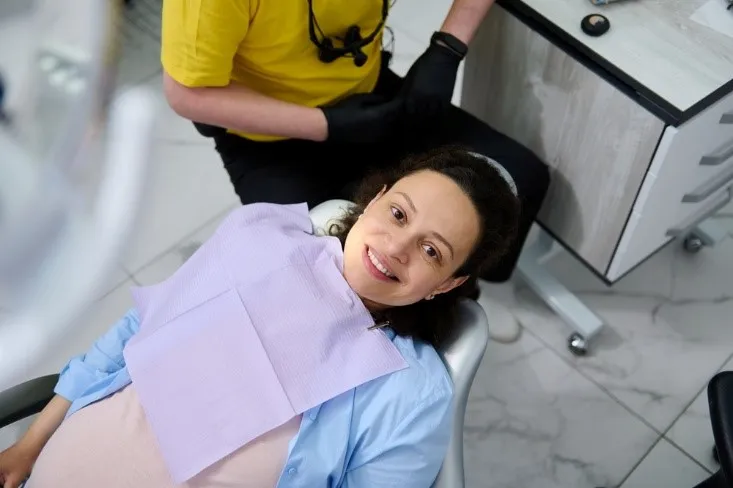
Can Hormonal Changes Trigger Dental Pain While Pregnant?
Yes, hormonal changes during pregnancy can directly contribute to dental pain and discomfort.
- Increased estrogen and progesterone levels make gums more sensitive and inflamed
- Higher blood flow to gum tissues can cause swelling, tenderness, and pain
- Hormonal changes increase the risk of pregnancy gingivitis, leading to sore or bleeding gums
- Altered response to plaque allows bacteria to accumulate more easily, triggering discomfort
- Existing dental issues like minor cavities or gum problems may feel more painful
- Hormone-related dryness in the mouth can increase the risk of tooth decay and sensitivity
What Are Safe Home Remedies for Toothache During Pregnancy?
There are safe home remedies that can help ease mild toothache:
- Warm Saltwater Rinse: Mix a teaspoon of salt in warm water and rinse your mouth to reduce swelling and fight bacteria.
- Cold Compress: Apply a cold pack to your cheek to numb pain and reduce inflammation.
- Clove Oil (Use Sparingly): Dab a tiny amount on the affected tooth for natural relief.
- Soft Foods & Hydration: Stick to soft foods and drink plenty of water to avoid aggravating sensitive teeth.
- Elevate Your Head While Sleeping: Reduces pressure in the gums and eases discomfort.
- Gentle Oral Hygiene: Brush with a soft-bristled toothbrush and floss carefully to prevent worsening the pain.
These remedies provide temporary relief, but professional evaluation is essential if the pain persists.

When Should You Be Concerned About a Toothache in Pregnancy?
A mild, short-term toothache during pregnancy may not always signal a serious issue, but certain symptoms should never be ignored. You should be concerned and seek dental care if:
- The pain is persistent or worsening, lasting more than a day or two
- You notice swelling in the gums, face, or jaw, which may indicate an infection
- There is bleeding, pus, or a foul taste, suggesting an abscess
- The toothache is accompanied by fever or general discomfort
- You experience severe sensitivity to hot or cold that doesn’t subside
- Pain interferes with eating, sleeping, or daily activities
Dental infections can affect overall health during pregnancy if left untreated. Early evaluation by a dentist ensures safe management of the toothache while protecting both maternal and fetal well-being.
When is a Dental Specialist Care Needed?
While most toothaches during pregnancy can be managed with routine dental care, there are situations where consulting a specialist becomes necessary. You should seek a specialist opinion if:
- There is a severe dental infection or abscess that does not respond to medication
- Facial swelling spreads rapidly or affects the eye, neck, or jaw movement
- A deeply impacted or fractured tooth is causing persistent pain
- You experience uncontrolled pain despite conservative treatment
- There is a need for emergency tooth extraction or surgical drainage
- Imaging or advanced intervention is required to prevent complications
Timely referral to a qualified dental surgeon ensures that the condition is treated safely, with pregnancy-appropriate protocols, minimizing risks to both the mother and the baby.
Conclusion
Toothache in pregnancy is common, but it should never be ignored. By understanding causes, following safe home remedies, and seeking timely care at Aakaar Dentistry, expecting mothers can maintain oral health and comfort throughout pregnancy.
Routine dental visits to a trusted Dentist in Bandra help protect both your smile and your well-being during this special time.
Got questions? We've got answers—let's clear the doubts and brighten your smile!
FAQs
Yes, routine dental care is safe and recommended, especially in the second trimester.
No, but gum disease and poor oral hygiene can increase the risk of tooth problems.
Dental X-rays are generally avoided unless necessary. If required, protective shielding is used to minimize exposure.
Frequent consumption of sugary or acidic foods can weaken enamel and increase cavity risk, which may lead to tooth pain during pregnancy.
Non-urgent procedures may be postponed, but pain, infection, or swelling should never be ignored and should be treated promptly.