
Can You Get Cavities with Braces?

Wearing braces is a major step toward achieving a healthy, aligned smile but many patients ask, "Can you get cavities with braces?" The answer is yes. While braces themselves don't cause cavities, they can make cleaning more challenging, which may increase the risk of tooth decay if proper oral hygiene isn't maintained.
When it comes to maintaining oral health during orthodontic treatment, guidance from an experienced professional becomes essential. Dr. Ankita Gehi, one of a skilled dentist at a reputed Dentist in Bandra, emphasises the importance of proper hygiene during braces treatment.
Doctor says:
"Braces don't cause cavities; poor oral hygiene does. But braces can make oral care challenging, so patients must be extra attentive to their daily dental care."
And that's exactly why understanding risks and prevention is crucial to complete your braces journey with a healthy, cavity-free smile.
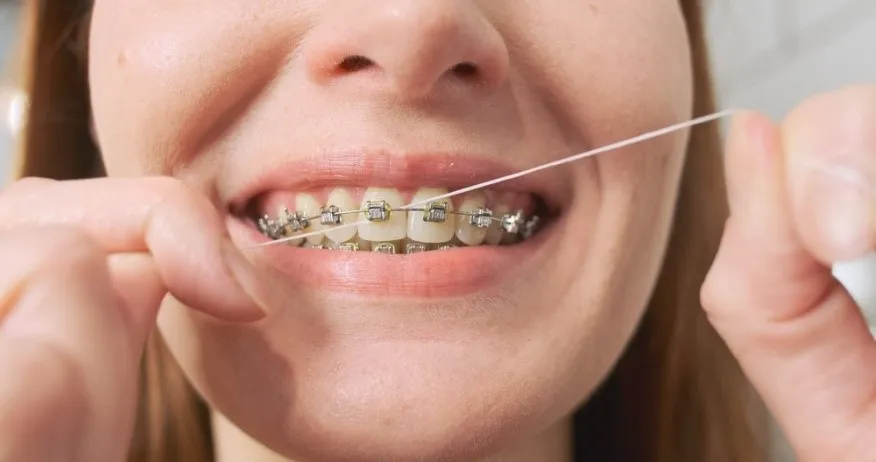
How Do Braces Increase the Risk of Cavities?
Braces don't directly cause cavities, but they create areas where plaque and food particles can easily accumulate. Here's how they increase the risk:
- Hard-to-clean areas: Brackets and wires trap food particles, making brushing and flossing more challenging.
- Increased plaque accumulation: More surfaces for bacteria to stick to means faster plaque formation.
- Sugar and acid retention: Sticky or sugary foods easily lodge around braces, exposing teeth to acids for longer durations.
- Enamel weakening: Persistent plaque around brackets can lead to demineralization, causing white spots or early cavity formation.
- Improper cleaning techniques: Teens and children often miss areas around brackets, heightening the risk of decay.
- Dry mouth from mouth-breathing: Common in orthodontic patients, reduced saliva flow decreases the mouth's natural protection against decay.
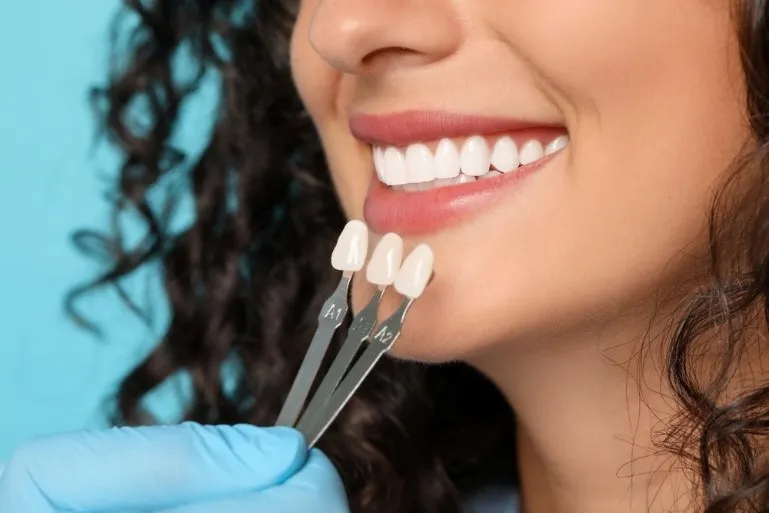
What Early Signs of Cavities to Watch for While Wearing Braces?
Be mindful of these early indicators of cavities during orthodontic treatment:
- White Spot Lesions - Chalky white patches near the brackets indicating enamel demineralization.
- Increased Tooth Sensitivity - Sharp discomfort when consuming hot, cold, or sweet foods.
- Persistent Bad Breath - Caused by trapped food particles and bacterial buildup around brackets.
- Gum Redness or Swelling - Inflamed gums may signal plaque buildup that leads to decay.
- Food Getting Stuck Frequently - Hard-to-clean areas can become early decay spots.
- Visible Brown or Dark Spots - Initial signs of enamel breakdown or decay.
- Mild Toothache or Discomfort - A continuous or occasional ache may indicate early cavity formation.
Early detection makes treatment simpler and prevents further damage.

How Can You Prevent Cavities While Wearing Braces?
Preventing cavities during orthodontic treatment requires extra attention because food particles and bacteria can easily get trapped around brackets and wires. Here are the most effective ways to protect your teeth:
- Brush thoroughly after every meal - Use a soft-bristle toothbrush and focus on the areas around brackets and gumlines to prevent plaque buildup.
- Use an orthodontic or electric toothbrush - These tools reach difficult areas more effectively than manual brushing alone.
- Floss daily using special flossing tools - Floss threaders, orthodontic floss, or water flossers help remove debris stuck between teeth and under wires.
- Rinse with a fluoride mouthwash - Fluoride helps strengthen enamel and reduces the risk of demineralization around brackets.
- Avoid sugary and sticky snacks - Candies, chocolates, sodas, sports drinks, and chewy foods cling to teeth and accelerate decay.
- Choose braces-friendly foods - Opt for soft, nutrient-rich meals that don't lodge between braces easily.
- Limit frequent snacking - Constant snacking increases acid attacks on enamel, raising cavity risk.
- Maintain regular dental cleanings - Professional cleanings at Aakaar Dentistry, one of a trusted dental clinic in Bandra, help remove stubborn tartar deposits that regular brushing cannot reach.
- Ask about fluoride varnish or dental sealants - Your dentist may suggest additional preventive treatments to protect your enamel.
- Follow your orthodontist's care instructions strictly - Proper maintenance of brackets and wires reduces plaque accumulation.
Can Cavities Be Treated While You Still Have Braces On?
Yes, cavities can absolutely be treated even if you're still wearing braces. In fact, early treatment is crucial to prevent the decay from spreading or damaging the tooth structure.
Here's how dentists handle it:
- Small cavities can be filled without removing braces - Your orthodontic wires may be temporarily removed to access the tooth. After the filling is completed, the orthodontist places the wires back.
- For hard-to-reach decay, brackets may need to be removed - If a cavity forms directly under a bracket, the orthodontist and dentist coordinate to remove and reattach the bracket after the treatment.
- Treatment options remain the same - Fillings, fluoride treatment, and sealants can all be performed during orthodontic care.
- Delaying treatment is risky - Untreated cavities can worsen quickly due to trapped food and plaque around brackets.
Dentists at Aakaar Dentistry ensure that cavity treatment is handled smoothly while keeping your orthodontic progress on track.
When to Consult a Dentist?
You should visit your dentist if you notice any of the following signs while wearing braces:
- Persistent tooth sensitivity
- Localized tooth pain when biting or chewing
- Visible discoloration near brackets
- White chalky patches on teeth
- Bad breath or a bad taste in your mouth
- Gum swelling or discomfort around specific teeth
Timely evaluation at Aakaar Dentistry ensures early detection and fast treatment, preventing complications that may affect your orthodontic progress.
Conclusion
Cavities can still develop while wearing braces, but with the right approach, they are completely preventable. Maintaining disciplined oral hygiene, following your orthodontist's instructions, and scheduling regular visits to your dentist play a major role in keeping your teeth healthy throughout treatment.
If you notice any unusual symptoms or feel unsure about your dental condition, seeking timely guidance from Aakaar Dentistry ensures early intervention and long-term dental wellness.
Regular dental visits, good oral hygiene, and the right choice of preventive measures go a long way in keeping your smile healthy and pain-free.
Got questions? We've got answers—let's clear the doubts and brighten your smile!
FAQs
Look for white spots, sensitivity, tooth pain, or discoloration near brackets. These are early warning signs that should prompt a visit to your dentist.
Sticky candies, sugary drinks, hard snacks, and frequent snacking increase cavity risk. Choose soft, nutritious foods that won't get trapped in your braces.
It helps greatly, but should be used along with floss threaders or orthodontic floss for comprehensive cleaning around brackets and wires.
Clear aligners like Invisalign are removable, making cleaning easier. While they don't directly prevent cavities, they reduce plaque accumulation that commonly occurs around fixed braces.
Yes. Sticky, sugary, and acidic foods increase plaque build-up and weaken enamel, making cavities more likely when you have braces. A balanced, braces-friendly diet is essential for oral health.